Understanding Gambling Addiction Signs, Effects, and Paths to Recovery


Recognizing Gambling Addiction Signs

Identifying the signs of gambling addiction is crucial for early intervention. One of the primary indicators is an inability to control gambling behavior, often leading individuals to gamble larger amounts of money over time. Many compulsive gamblers experience intense urges to bet, leading them to prioritize gambling over personal responsibilities such as work, family, and health. These behaviors can create a cycle where the individual feels an overwhelming need to gamble, despite negative consequences.

Another significant sign of gambling addiction is the emotional and psychological toll it takes on an individual. People often experience feelings of guilt, anxiety, or depression related to their gambling habits. They may also become secretive about their gambling activities, hiding their behavior from family and friends. This secrecy can lead to strained relationships, creating a barrier that further isolates the individual and exacerbates their gambling behavior.

X3bet

Financial issues are also a common red flag. Many individuals struggling with gambling addiction find themselves in significant debt due to their gambling activities. They may resort to borrowing money, lying about their financial situation, or even engaging in illegal activities to fund their gambling. As the addiction deepens, the financial consequences can become catastrophic, impacting not only the gambler but also those around them.

The Effects of Gambling Addiction on Life

The repercussions of gambling addiction extend far beyond financial loss; they affect nearly every aspect of a person’s life. Compulsive gambling can lead to severe emotional distress, impacting mental health and overall well-being. Individuals often report feelings of hopelessness and despair, which can worsen existing mental health conditions or give rise to new ones. Consequently, the psychological impacts of gambling addiction can be debilitating, leading to a vicious cycle of addiction and mental health decline.

In addition to emotional distress, gambling addiction can wreak havoc on interpersonal relationships. Partners, family members, and friends may feel betrayed or neglected when gambling takes precedence. Communication often breaks down, and trust is eroded, leading to conflicts and potential separation or divorce. This isolation can further exacerbate the addiction, as the individual may turn to gambling as a coping mechanism for dealing with relationship issues.

Moreover, the workplace can also suffer due to gambling addiction. An individual may experience declining performance, frequent absenteeism, or even job loss as they prioritize gambling over their professional responsibilities. The stress from financial instability can spill over into work life, affecting colleagues and creating a toxic environment. As a result, the repercussions of gambling addiction not only affect the individual but also ripple out to impact families, friends, and the community at large.

Understanding the Pathways to Recovery

Recovering from gambling addiction often begins with acknowledging the problem and seeking help. Many individuals find that support groups, such as Gamblers Anonymous, can provide a safe space to share experiences and develop coping strategies. These peer-led initiatives foster a sense of community and accountability, which can be invaluable during the recovery journey. By connecting with others who face similar struggles, individuals can feel less isolated and more motivated to change their habits.

Professional treatment options are also available, ranging from therapy to medication. Cognitive Behavioral Therapy (CBT) has shown effectiveness in helping individuals recognize and alter their gambling-related thoughts and behaviors. Counselors trained in addiction can provide personalized strategies that address the underlying issues contributing to the gambling addiction. In some cases, medications may be prescribed to help manage impulses or accompanying mood disorders, further supporting recovery efforts.

Lastly, developing a healthy lifestyle is crucial for long-term recovery. Engaging in activities that provide joy and fulfillment can serve as alternatives to gambling. This may include hobbies, physical exercise, or volunteering, all of which contribute to improved mental health. The journey to recovery is unique for each individual, but building a support network and adopting healthy habits can pave the way for a more balanced and satisfying life free from the grips of addiction.

The Importance of Support Systems

A strong support system is often essential in the recovery process. Family and friends can play a pivotal role by offering encouragement and understanding, helping the individual navigate their journey. Open communication about the challenges of gambling addiction can foster an environment where the individual feels safe discussing their struggles and progress. This support can diminish feelings of isolation and bolster motivation, as loved ones can remind the person of the potential for recovery.

In addition to personal relationships, professional resources can provide significant support. Therapists specializing in addiction can offer coping strategies and help the individual understand the psychological factors contributing to their gambling behavior. Moreover, support groups create a community of individuals who can share insights and experiences, making recovery feel less daunting. These networks can provide practical advice and emotional support, which are critical in overcoming the challenges associated with gambling addiction.

Furthermore, community resources, such as helplines and educational programs, can inform individuals about the resources available. Awareness of these options can empower those struggling with addiction to seek help proactively. Knowledge about gambling addiction and its effects encourages a more profound understanding of the condition, facilitating a healthier dialogue that can lead to recovery. This holistic approach underscores the importance of utilizing multiple support avenues in the journey toward healing.

Resources for Gambling Addiction Help

Various resources exist to assist individuals dealing with gambling addiction, highlighting the importance of seeking help and information. Many organizations provide educational materials and support networks designed to guide individuals toward recovery. Websites dedicated to gambling addiction can offer valuable insights, including self-assessment tools, tips for managing urges, and directories for finding local support groups. These resources aim to empower individuals by providing the knowledge they need to confront their addiction.

Online forums and chat rooms dedicated to gambling addiction can also serve as a vital lifeline. These platforms allow individuals to connect with others who understand their struggles, sharing experiences and recovery strategies. Anonymity can encourage open dialogue and honesty, which are critical for personal reflection and growth. Moreover, these online communities can provide ongoing support and accountability, reinforcing the commitment to change and recovery.

Educational workshops and seminars often offered by treatment centers can further enhance understanding of gambling addiction. These events provide in-depth discussions and expert insights on coping mechanisms and preventive measures. Knowledge gained from these sessions can equip individuals with practical tools to manage their addiction, fostering a sense of empowerment. By leveraging these resources, individuals can develop a comprehensive strategy for recovery, ensuring they have the support and knowledge needed to reclaim their lives.
Share:

More Posts

Send Us A Message

Paula Fonseca

MEMBER

Paula Fonseca

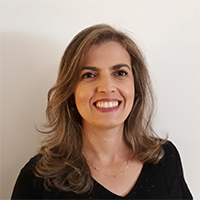
Paula Fonseca is an assistant professor at the Management Department of the Polytechnic
Institute of Viseu (Portugal). She holds a PhD degree in Advanced English Studies from the
University of Salamanca (Spain), a Master’s Degree in Teaching Languages from the University of
Aveiro (Portugal) and a Master’s Degree in Education, Teaching English as a Second Language
from Rhode Island College (USA). She has been teaching English and Spanish as a foreign
language in higher education for over 25 years. She has collaborated in a number of
international projects and has also participated in international conferences. She is an integrated
member of the Centre for Studies in Education and Innovation from the Polytechnic Institute of
Viseu. Her research interests include: virtual exchange, technology in foreign language
teaching/learning, cognitive linguistics, multimodality, political humor, academic English and
religious tourism.
 
Regina Brautlacht

DEPUTY EXECUTIVE DIRECTOR

Regina Brautlacht

Senior Lecturer in English and Business Communication and Presidential Commissioner (H-BRS) Language Centre and Office of the President; Bonn-Rhein-Sieg University of Applied Sciences, Sankt Augustin, Germany since 2009; Full-time teaching position in a public university (tenured appointment); Advising and initiating global learning initiatives; English Language Coordinator for the Department of Management Sciences. The hiring of casual staff for English language courses; Curriculum development for blended learning courses in English from A2-C1 level; Lecture at the bachelor’s level: Business English: A Simulation Course in Entrepreneurship, Virtual Student Exchange BBAC & ProGlobe, Presentation and Rhetorical Skills, Academic Writing and Master’s level: Communication Skills (Managerial Accounting) and Business Communication (Marketing).


University Appointments & Affiliations: Appointed Presidential Commissioner |Advisor for Global Digital Learning since 2018 for the President’s Office, Appointed Member of the Commission for International Affairs since 2018, Appointed Presidential Member of the Quality Improvement Commission since 2018, Appointed Presidential Member of the Commission for Teaching and Learning since 2013; Member of Peer Coaching Team since 2016; Founding Member of the Core Team Digital Teaching since 2017; Associated Member of the Centre of Entrepreneurship and SMEs (CENTIM) since 2017.

Research Faculty: BET –  Building Expertise and Training for Growth in the Consumer Goods and Food Processing in Ghana (DAAD/BMZ); Partnership for Applied Sciences – PASS (DAAD) from 2017-2018; GAUP –  German-African Entrepreneurship Project (DAAD) 2015-2018; Work&Study an e-learning grant (Federal Government BMBF €4.7 m) 2016 –2019.

International Activities in Higher Education: Initiated & coordinate several virtual exchange projects, such as Building Bridges Across Continents (BBAC), European Dialogue Project (EDP) and German-American Project (GASP) and conduct on a regular basis Capacity Building Workshops for Faculty in Ghana and Kenya for Practice-Oriented Teaching and E-learning Methodology since 2014.

DAAD & EU Expert – Global Digital Learning and Pedagogy; Review EU grant applications (Erasmus+) and IMKD,  IVAC  and other DAAD grants for virtual exchange and mobility since 2018

Consortium of Virtual Exchange (CoVE), Deputy Director and founding member since May 2020.

Lurdes Martins

DIRECTOR OF LEARNING AND INNOVATION

Lurdes Martins

Maria de Lurdes Martins is a Professor at the Polytechnic Institute of Viseu, where she teaches and English in the Bachelor of Tourism and the Technical Course of Wine Tourism. She is currently the coordinator of the Wine Tourism course. Between 2012 and 2018, she coordinated Erasmus + mobility in the Management Department and was co-responsible for the creation of 3 International Semesters aimed at Erasmus students. She has been part of virtual exchange projects since 2014. Since then she has collaborated in the planning and implementation of virtual exchange projects with Germany, the USA, Canada, Ghana, Kenya, Italy and France. The participation in these projects has allowed participation in international conferences and some publications. She has Postgraduate Education in Multimedia in Education and has developed a PhD thesis in the area of Web 2.0 technologies in foreign language learning.

Her research interests focus on virtual exchange, international project planning and management, and languages for specific purposes.

Julian Kristi

MEMBER

Kristi Julian

Prof. Dr Kristi Julian

Middle Tennessee State University, USA

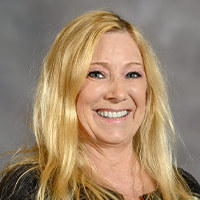
Dr Kristi Julian is a Professor and Program Coordinator at Middle Tennessee State University. Dr Julian is an (NCIDQ) registered interior designer with experience in facilities design, healthcare, hospitality and construction.

Dr. Julian has over 30 years of practical experience. She is an accreditation site visitor chair and has experience conducting hybrid and virtual site visits. Her research interests focus on interior design pedagogy, virtual exchange and sustainability.

Executive Director

Gloria K.Q Agyapong

Gloria K.Q. Agyapong is a Associate Professor in Marketing. She holds a PhD and MBA in Marketing; Bachelor of Management Studies; and a Professional Postgraduate Diploma in Marketing from Chartered Institute of Marketing (UK). Gloria is innovative and has the ability to coordinate both local and international projects. She has been involved in the implementation of both local and international projects including the German-African Entrepreneurship project, BET Ghana Project, and BAIN project, which is part of the CoVE Network. Gloria is a reviewer for several international journals and published in several internationally recognized journals and conferences. Her particular areas of research interests include service quality management; social marketing, sustainability marketing and SMEs market orientation. She teaches courses in marketing such as strategic and international marketing, marketing research, and marketing communications.

Contact Details: gagyapong@ucc.edu.gh

Wendi Hulme

DIRECTOR OF RESEARCH AND ONLINE INTERFACE

Wendi Hulme

WENDI HULME – MA Int. Des., ARIDO, NCIDQ cert. #021336, IDEC, LEED AP 

Wendi Hulme is a Professor in the School of Design at Fanshawe College, teaching in the Bachelor of Interior Design (Honours) program, with 10 years teaching experience. As a registered (educator) Interior Designer with ARIDO, Wendi has 20+ years of practical experience in Canada and the USA on residential and commercial projects. She is a Council for Interior Design Accreditation Site Visitor and LEED Accredited Professional with her research interests focused on sustainability and virtual exchange.

Prof. Daniel Agyapong, UCC

DIRECTOR OF FINANCE

Daniel Agyapong

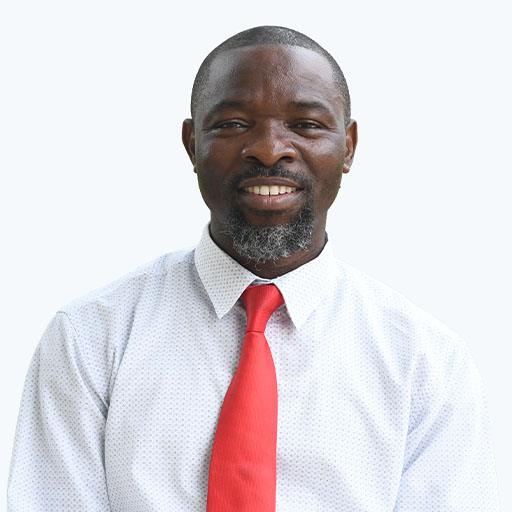
Daniel Agyapong is an Professor of Finance and Entrepreneurship and the Director (Directorate of Academic Planning and Quality Assurance)  at the University of Cape Coast (Ghana). He is also an SME and PBL trainer and researcher who has published more than 50 research articles on SME financing and sustainable business development. He has worked at his current university since 2004. He holds a PhD in Business Administration and is an Associate Member of the Chartered Institute of Marketing (UK) and Institute of Professional Managers Association, UK.

He has been involved in the implementation of both local and international projects, including the African Institute of Transformational Entrepreneurship, Building Expertise and Training for Growth in the Consumer Goods and Food Processing Industry in Ghana (BET Ghana) Project, GIZ ComCashew, Switch Africa Green, E-MAGIN, Graduate Enterprise Development Initiative, Participatory Appraisals of Competitive Advantage, Building Bridges Across Continents, the Partnership for Applied Sciences, and the German-African University Partnership Platform for the Development of Entrepreneurs.

Contact Details: dagyapong@ucc.edu.gh
UCC Directory

Link for your presentations and publications and other activities
Google Scholar | UCC Academia | Research Gate